

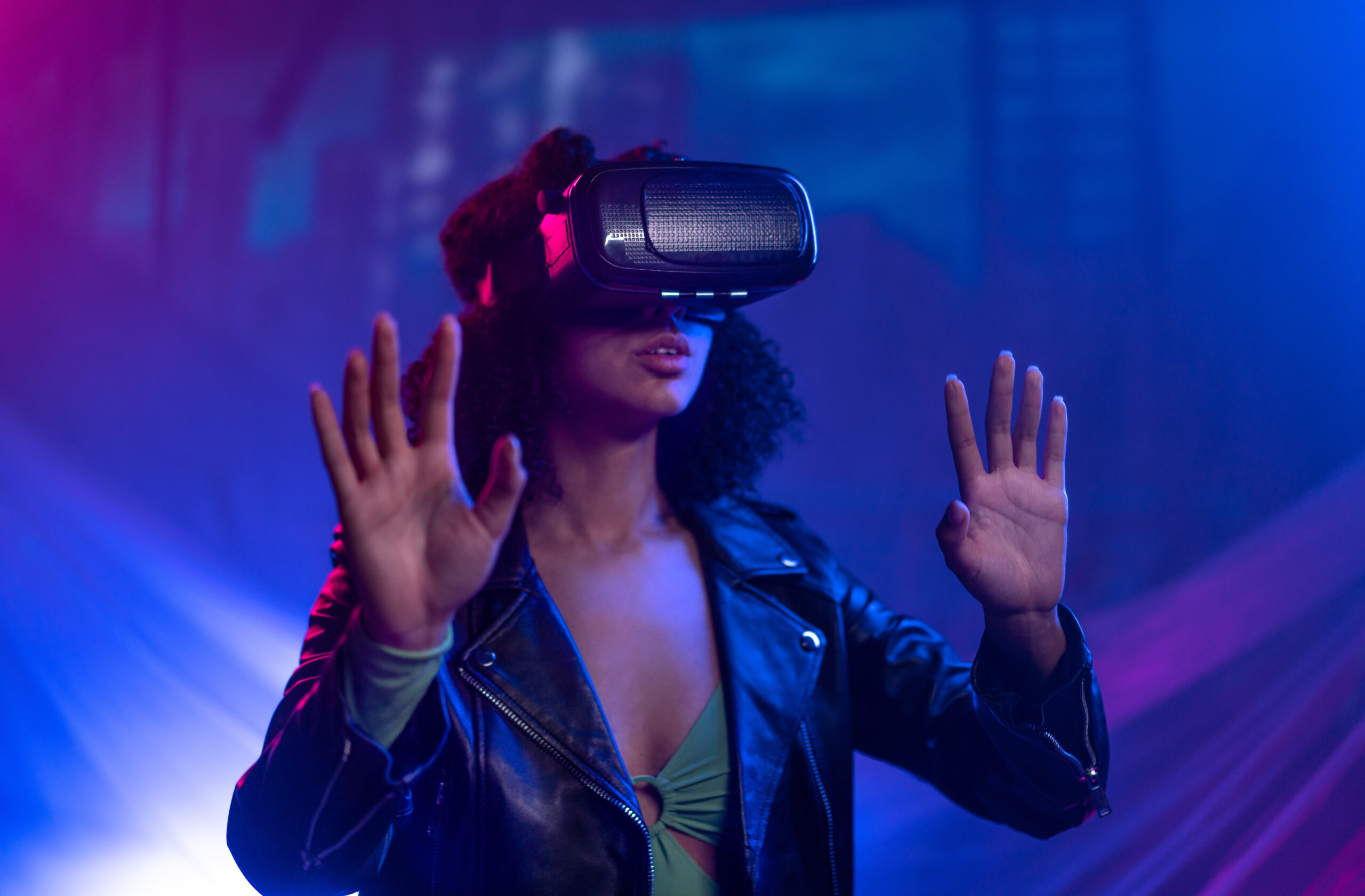
The Future of Escape Rooms: VR, AI & New Experiences
How Technology Is Shaping the Future of Escape Rooms
Virtual escape rooms and viral TikTok videos show just how strongly technology is transforming the world of escape rooms. From solving puzzles in outer space to viral storytelling, new forms of gameplay are emerging that take immersive experiences and virtual experiences to the next level.
What makes escape rooms so immersive?
Escape rooms, much like video games, offer an escape from reality: players step into different roles and, for a short time, transform into someone else. The fascination with horror, true crime, or mysterious events can be experienced in ways that are not possible in everyday life.
Escape rooms are tactile: you crawl through tunnels, discover hidden compartments, and explore historical or fantastical worlds. This feeling is known as immersion – becoming completely absorbed in another world. Escape rooms make that world tangible by engaging with all five senses.
Are escape rooms analog video games?
Experienced online gamers immediately recognize the similarities between the two – the transition has always been fluid. Roles are assigned, players follow a predetermined story in which clues build upon one another. Wrong decisions are part of the game and can still lead to the solution. And, importantly, the countdown and a clear objective create a sense of time pressure.
Escape rooms have always been a combination of digital and tactile experiences – bringing together challenges reminiscent of reality TV, treasure hunts like those from childhood, and classic computer games.
Are digital technologies revolutionizing escape rooms, or have escape rooms simply brought video games into the real world?
Virtual Reality makes the impossible possible
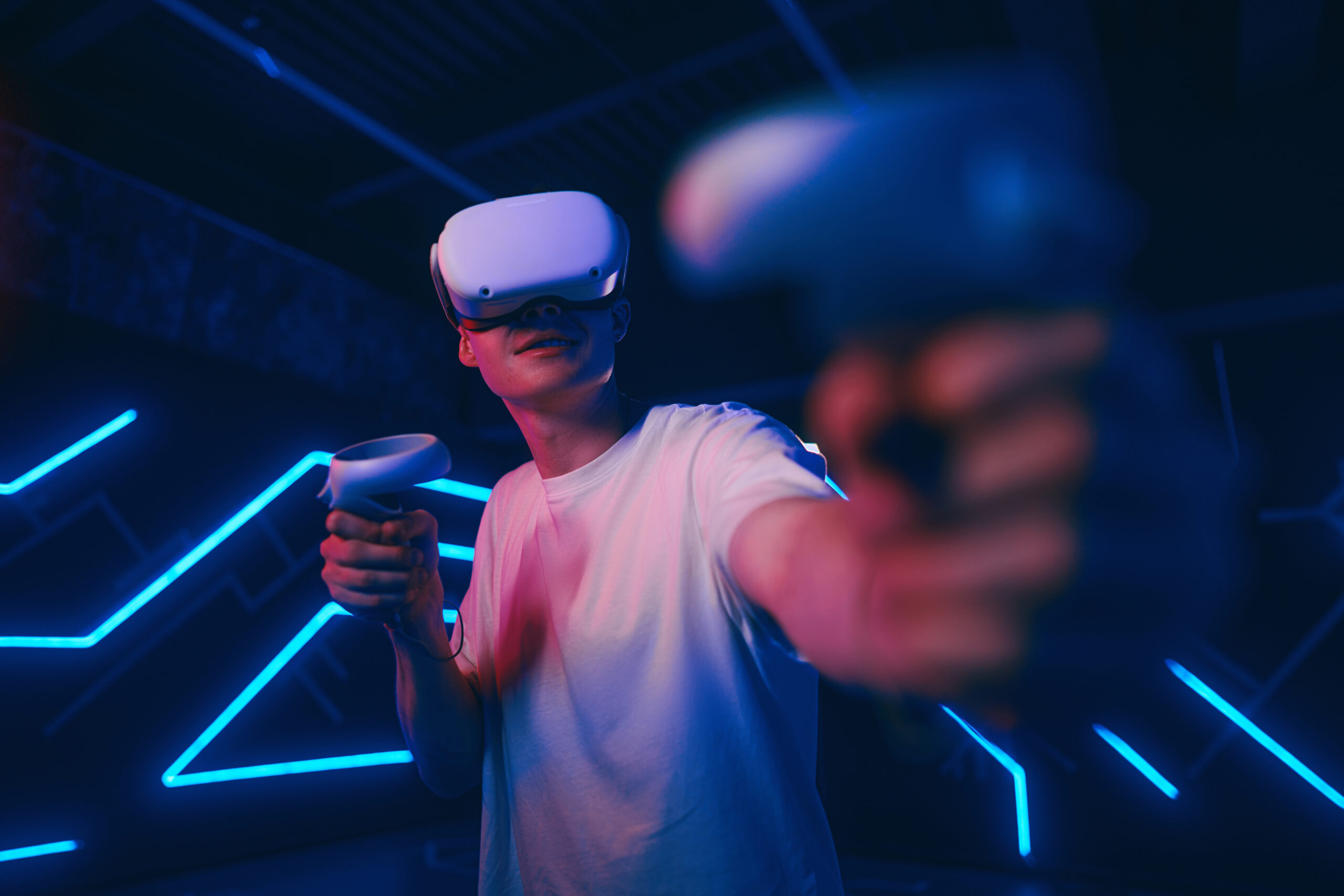
A Virtual Escape Room is a game in which participants work together to solve puzzles and escape from a virtual environment within a set time limit.
There are different ways to experience a virtual escape room: it can be played from home via computer, making it possible to participate from anywhere and across any distance – communication often takes place via chat.
Or other virtual reality experiences take place on-site at dedicated escape room venues. Modern software creates three-dimensional environments in real time that respond to every movement. The physical room in which players are playing and interacting may be completely empty, which can create a rather amusing impression for bystanders.
Virtual Reality enables players to visit distant planets or suspend the laws of gravity. In short, visitors can immerse themselves in worlds that would be difficult or impossible to build in the physical world.
Are classic escape rooms becoming obsolete because of AI?
No – but Artificial Intelligence (AI) could make the escape room experience even more dynamic. Digital elements such as virtual characters that can interact with visitors and respond to their questions in real-time could make escape rooms feel even more cinematic. AI could also analyse a group and adjust the difficulty level accordingly, while controlling lighting, sound, and special effects.
Our escape room expert and long-time team member Sarah has mixed feelings about AI-powered escape rooms. She wonders whether, in the face of AI, human craftsmanship and the actual puzzle design could take a back seat. She noticed that in elaborately staged rooms with special effects and a strong social media focus, spectacular visuals can sometimes become more important than the quality of the puzzles. She values escape rooms where puzzles and collaborative problem-solving remain at the heart of the experience – rather than the spectacle alone.
Why escape rooms and TikTok work so well together
Escape rooms trigger strong emotions: surprise, stress, excitement, and awe. Real actors may even jump out and scare visitors. These intense reactions can make for entertaining video clips.
That is exactly what TikTok is all about: short, memorable clips featuring strong human emotions. Scary content tends to perform particularly well on the platform, while visitors use spectacular sets and immersive environments to share their experiences online.
The future of escape rooms is hybrid
Escape rooms are not evolving in an exclusively digital direction. Instead, two equally valuable worlds of experience are emerging. No virtual world can fully replicate the feeling of lifting a heavy trapdoor, crawling through narrow or underground tunnels, or physically solving a challenging puzzle.
Whether digital or in-person, at their core, both experiences are about immersing yourself in a story – and experiencing an adventure with all your senses.